


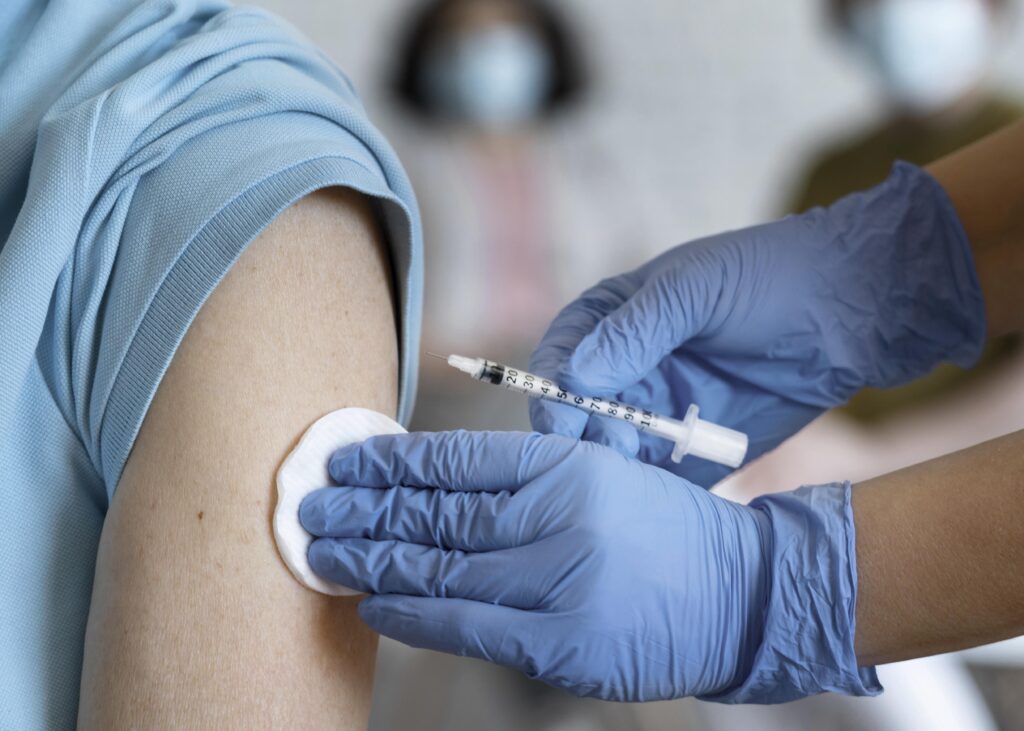
The launch of a new meningococcal B (MenB) vaccination programme across England marks one of the most significant changes to meningitis prevention in recent years. Following several serious outbreaks of meningococcal disease among teenagers and university students, health officials have introduced a one-off vaccination programme designed to protect around one million young people before they begin university or residential further education.
While meningococcal disease is uncommon, it can become life-threatening within hours, making vaccination one of the most effective ways to reduce the risk of severe illness. Here’s everything you need to know about MenB, why this new programme has been introduced, who is eligible, and why experts are encouraging young people to take up the offer.
What is MenB?
Meningococcal group B, commonly referred to as MenB, is a strain of bacteria called Neisseria meningitidis. Many people carry these bacteria harmlessly in the back of their nose or throat without ever becoming ill. However, in some cases, the bacteria can invade the bloodstream or the tissues surrounding the brain and spinal cord, leading to serious infections that require immediate medical treatment.
The two most serious illnesses caused by MenB are meningitis, which is an infection of the protective membranes surrounding the brain and spinal cord, and septicaemia (blood poisoning), where bacteria enter the bloodstream and trigger a severe inflammatory response throughout the body. Both conditions can develop incredibly quickly and may become fatal within a matter of hours if left untreated.
Although modern antibiotics have improved survival rates, meningococcal disease can still leave survivors with lifelong complications, including hearing loss, brain injury, learning difficulties, kidney damage, epilepsy, scarring, or even limb amputations caused by reduced blood flow during severe infection. This is why prevention through vaccination is considered so important.
Why Has a New Vaccination Programme Been Introduced?
The UK became the first country in the world to introduce routine MenB vaccination for babies in 2015. Since then, thousands of cases of meningococcal disease have been prevented, and rates of infection in young children have fallen dramatically.
However, teenagers and young adults who were already too old to receive the vaccine when it was introduced have remained vulnerable. Earlier this year, England experienced its largest recorded outbreak of MenB disease, with clusters of cases linked to universities and student accommodation. Sadly, several young people lost their lives, prompting health authorities to review vaccination recommendations.
Experts identified that students beginning university face an increased risk because they are often living away from home for the first time, sharing kitchens and bathrooms, attending social events, and coming into close contact with hundreds of new people. These environments make it easier for meningococcal bacteria to spread through coughing, sneezing, kissing, or sharing drinks and utensils.
As a result, the UK Health Security Agency (UKHSA), NHS England and the Department of Health have launched a one-off catch-up vaccination programme to provide protection before students enter these higher-risk settings.
Who Can Receive the Vaccine?
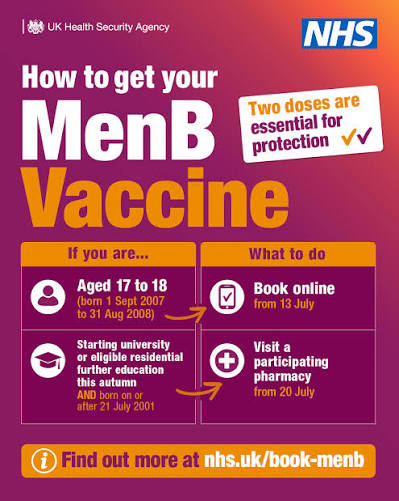
The programme has been carefully targeted towards those considered most at risk of contracting MenB disease during late adolescence and early adulthood.
The vaccine is currently available to:
- Students in Year 13 (usually aged 17–18) in England.
- Young people under the age of 25 who are starting university as first-year undergraduate students.
- Young people under 25 moving into residential further education or college accommodation for the first time.
The vaccination programme is intended as a catch-up campaign rather than a permanent extension of the routine schedule. Health officials are encouraging eligible young people to receive both doses before moving into student accommodation to ensure they have developed the best possible protection.
How Does the Vaccine Work?
The vaccine being offered is called Bexsero®, which has been used safely within the UK’s infant immunisation programme for more than a decade. Rather than containing live bacteria, the vaccine includes carefully selected proteins found on the surface of meningococcal B bacteria. These proteins stimulate the immune system to produce protective antibodies without causing disease.
If a vaccinated person later comes into contact with MenB bacteria, their immune system can recognise the bacteria much more quickly and destroy them before they have the opportunity to cause serious illness.
To achieve the strongest protection, eligible young people are offered:
- Two doses of the vaccine.
- A minimum gap of 28 days between each dose.
- Vaccination before starting university or residential education wherever possible.
Although no vaccine offers 100% protection, Bexsero provides strong protection against the majority of meningococcal B strains responsible for severe disease in the UK.
Is the MenB Vaccine Safe?
The MenB vaccine has undergone extensive clinical trials and continuous safety monitoring since its introduction. Millions of doses have now been administered worldwide, providing reassuring evidence that it has an excellent safety profile.
Like all vaccines, mild side effects are common because the immune system is responding to the vaccine. These are usually short-lived and resolve within a day or two without treatment.
The most commonly reported side effects include:
- Pain, redness or swelling where the injection was given.
- Mild fever.
- Headache.
- Tiredness.
- Muscle aches.
- Feeling generally unwell for a short period.
Serious allergic reactions are extremely rare, and healthcare professionals are fully trained to recognise and manage them should they occur.
The risks associated with vaccination are considered to be far lower than the potentially devastating consequences of meningococcal disease itself.
How Effective Is the Vaccine?
Evidence collected over the past decade shows that the MenB vaccination programme has been highly successful. Since its introduction for babies in 2015, cases of MenB disease among vaccinated children have fallen by around 75%, demonstrating that the vaccine provides excellent protection against many of the strains responsible for invasive disease.
Researchers continue to monitor the vaccine’s effectiveness, and current evidence suggests it significantly reduces the likelihood of developing life-threatening meningococcal infection. While vaccinated individuals should still remain aware of meningitis symptoms, the vaccine greatly lowers the risk of severe illness.
Why Are University Students More at Risk?
Most cases of meningococcal disease occur in babies, young children and teenagers. University students represent a particularly vulnerable group because they are exposed to many new social contacts within a short period.
Freshers’ Week, shared accommodation, parties, communal kitchens and close friendships all increase opportunities for bacteria to spread. Many young adults also carry meningococcal bacteria without showing any symptoms, meaning they can unknowingly pass it on to others.
The bacteria are spread through prolonged close contact, including:
- Kissing.
- Sharing drinks, bottles or eating utensils.
- Coughing and sneezing.
- Living in close quarters with other people.
This increased exposure explains why health officials are prioritising students before they move into university accommodation.
Recognising the Symptoms
One of the biggest challenges with meningococcal disease is that the early symptoms often resemble flu or a viral illness. This can make it difficult to recognise during the first few hours of infection.
As the disease progresses, symptoms may include:
- A sudden high fever.
- Severe headache.
- Neck stiffness.
- Sensitivity to light.
- Vomiting.
- Drowsiness or confusion.
- Cold hands and feet.
- Difficulty waking.
- A rash that does not disappear when pressed with the side of a glass (although not everyone develops a rash).
Symptoms can deteriorate extremely rapidly, particularly in young adults. Anyone suspected of having meningitis or meningococcal septicaemia should seek emergency medical attention immediately rather than waiting for symptoms to worsen.
How Can Eligible Young People Get Vaccinated?
The NHS is contacting eligible young people through the NHS App, text messages and letters inviting them to book their vaccination. Appointments are available through participating GP practices, community vaccination services and selected pharmacies.
Health officials recommend booking both appointments as early as possible to ensure there is enough time to receive the second dose before starting university or moving into student accommodation.
Anyone unsure about their eligibility should contact their GP surgery or check the NHS website for the latest guidance.
The Bottom Line
Although meningococcal disease is rare, it remains one of the fastest-moving and most serious bacterial infections affecting young people. A healthy teenager can become critically ill within hours, making prevention far more effective than treatment alone.
The introduction of this one-off MenB vaccination programme represents an important public health initiative aimed at protecting young adults during one of the highest-risk periods of their lives. By receiving both doses before beginning university or residential education, eligible students can significantly reduce their risk of developing meningitis or septicaemia caused by MenB.
Health experts agree that vaccination, alongside recognising the early warning signs of meningitis, offers the best chance of preventing serious illness and saving lives. If you or someone you know is eligible for the vaccine, it’s well worth taking up the offer.